
LoopLab: From Textile Waste to Digital Creation
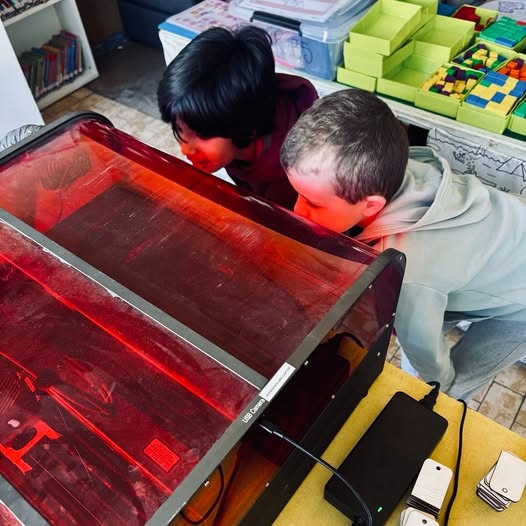
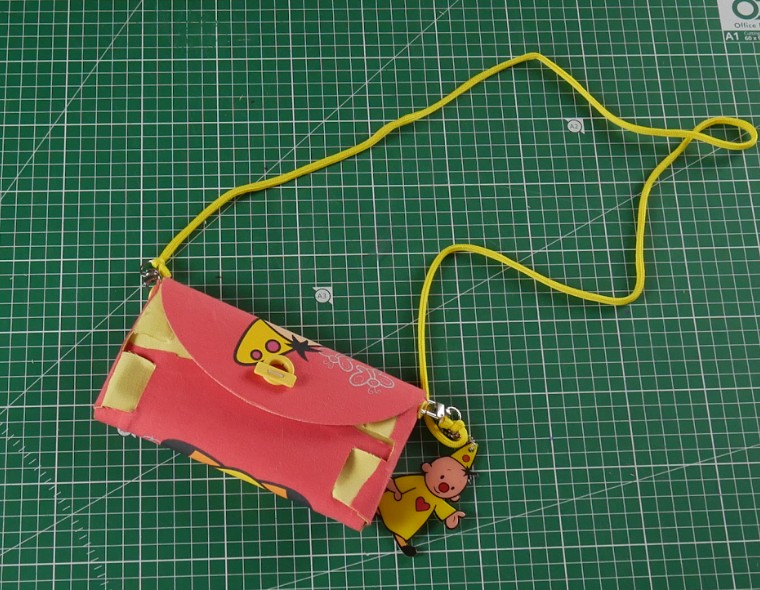
The LoopLab is a hands-on, creative workshop designed to raise awareness of textile waste and introduce participants to sustainable design and digital fabrication. It focuses on transforming textile waste into new products using “no-sew” techniques with digital tools like 3D printers and laser cutters. The workshop aims to encourage a shift from a throwaway culture to a maker culture by teaching practical skills and promoting a sustainable mindset.
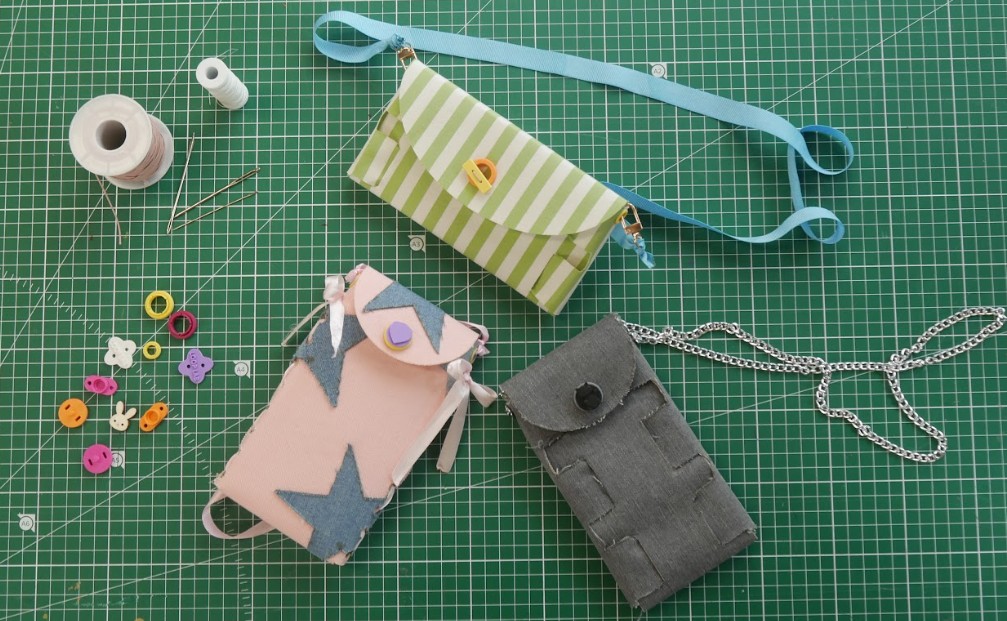
Wat hebben we nodig?
Benodigdheden
Gereedschappen
The LoopLab: From Textile Waste to Digital Creation
This workshop and its educational material was developed for Ingegno and De Creatieve STEM by Cindy Schoenfelder who has now graduated as Industrial Product Developer at HoWest, university of applied sciences.
All use is subjected to the Creative Commons Attribution, Non commercial, Sharealike
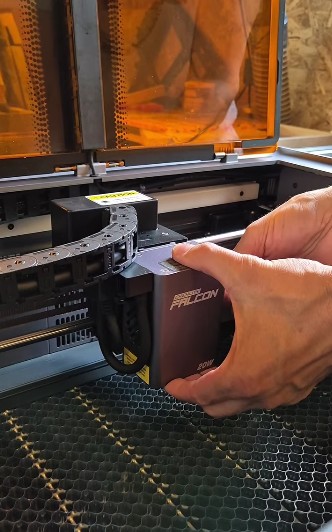
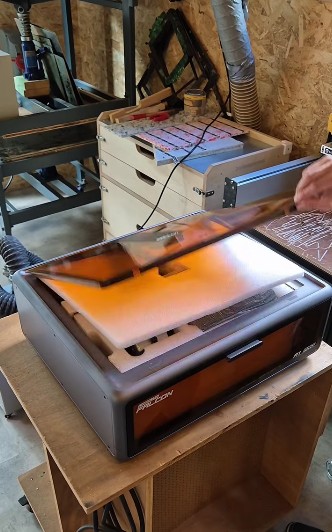
For the practical execution and the testing in various locations we received support by Creality who donated us a Falcon2 Pro 60W Laser & a Falcon A1 Pro 20W +2W IR, which both resulted in very reliable and precise machines when used as mobile units.
Instructions and files can be found in this document
Laser Diode
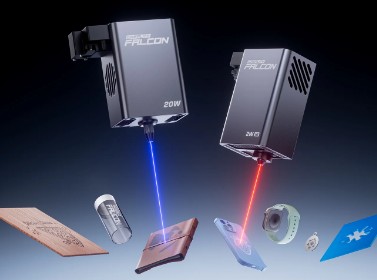
Did you now that a laser diode (LD, also injection laser diode or ILD or semiconductor laser or diode laser) is a semiconductor device similar to a light-emitting diode LED? They are ideal for engraving and cutting thin materials
Falcon Laser Diodes
Linken met STEM
STEAM AREAS:
Science: Understanding of materials and sustainable practices (e.g., textile composition, circular economy).
Technology: Digital fabrication with laser cutters and 3D printers.
Engineering: Design thinking, prototyping, and problem-solving.
Arts: Creative design, aesthetics, and repurposing textiles.
Mathematics: Measurements and geometric principles for cutting patterns.
OBJECTIVES:
To promote awareness of textile waste and the principles of the circular economy.
To equip participants with practical digital fabrication skills (laser cutting and 3D printing).
To inspire participants to see waste as a valuable resource for creative projects.
To empower students to develop a maker mindset through hands-on prototyping.
To link the project to Sustainable Development Goal (SDG) 12: Responsible Consumption and Production, by demonstrating how to reduce waste and create value from discarded materials.
